
Fibromyalgia changes the way we experience our bodies. Clothes that once
felt fine suddenly irritate the skin. Waistbands dig. Shoes pinch. Seams
scratch. Tags feel like sandpaper. On flare days especially, even the softest
fabrics can feel unbearable.
For years, I thought I
had to choose: be comfortable and look frumpy, or look stylish and suffer
through the pain. But eventually, I realized it doesn’t have
to be either/or. With some adjustments and creativity, it’s possible to choose
comfort without sacrificing style—even with fibromyalgia.
Here’s how I rebuilt
my wardrobe to work with my body instead of against it.
Why Clothes Feel
Different With Fibromyalgia
- Sensory
sensitivity: Skin becomes
hypersensitive to textures and pressure.
- Pain points: Tight
waistbands, bras, or shoes can trigger or worsen pain.
- Temperature
issues: Fibro
often brings heat intolerance or chills, so clothing that isn’t breathable
can make symptoms worse.
- Fatigue factor: Complicated
outfits drain energy before the day even begins.
The goal isn’t just
fashion—it’s making daily dressing less of a battle.
My Rules for Fibro-Friendly Style
1. Soft,
Breathable Fabrics Only
Cotton, bamboo, modal,
and jersey knits are my go-tos. I avoid scratchy synthetics or stiff denim
unless they’re blended with stretch.
2. Elastic and
Adjustable Everything
- Elastic
waistbands that don’t dig.
- Wrap
dresses and tops that adjust with my body.
- Shoes
with stretch or Velcro instead of rigid fasteners.
3. Layering for
Temperature Swings
Fibromyalgia can mean sweating one minute and shivering the next.
Lightweight layers (cardigans, shawls, scarves) make it easy to adjust without
fuss.
4. Tagless and Seamless
Options
Many brands now make
tagless tees, underwear, and bras. Seamless leggings and socks are
game-changers for sensitive skin days.
5. Slip-On Shoes
Over Laces
On fatigue-heavy days, bending down to tie shoes is
exhausting. I keep stylish slip-ons and supportive flats by the door.
6. Keep It
Simple, But Polished
A capsule wardrobe of
mix-and-match pieces saves energy. Neutral basics paired with one bright scarf,
necklace, or cardigan make it look intentional without extra effort.
Comfort That Still
Looks Stylish
- Maxi
dresses: Soft, stretchy, and
elegant without waistbands.
- Leggings
+ tunic tops: Comfort disguised as chic.
- Soft
cardigans and wraps: Cozy
and polished at once.
- Stretch
denim jeggings: The look of jeans without
the stiffness.
- Supportive
sneakers in sleek designs: Health-friendly
and trendy.
The Emotional Side
At first, I mourned
the clothes I used to wear—the fitted blazers, high heels, “statement” outfits.
They reminded me of a version of myself I missed. But then I noticed something:
when I chose fibro-friendly
style, I didn’t just feel more comfortable. I felt more confident. I wasn’t
distracted by pain
or itching or overheating. I could focus on living, not adjusting my clothes
every five minutes.
Style didn’t disappear
with fibro—it just transformed.
What I Stopped Doing
- Squeezing
into “real jeans” just to prove I could.
- Wearing
shoes that left me limping.
- Keeping
a closet full of clothes that hurt more than they helped.
What I Gained
- A
wardrobe that works for my body, not against it.
- Less
energy wasted on discomfort.
- More
confidence in social settings.
- A
softer, kinder relationship with my reflection.
FAQs About Comfort and
Style With Fibromyalgia
1. Does comfort always
mean spending more money?
Not always—many affordable brands now make soft, tagless, or stretchy options.
Thrift stores also have hidden gems.
2. What about work
clothes?
Look for ponte pants (structured but stretchy), soft blouses, and flat shoes
that look formal but feel casual.
3. How do I handle
formal events?
Choose flowy dresses, wide-leg trousers with elastic waists, or dressy flats.
Comfort can be elevated with accessories.
4. Do I have to give
up jeans forever?
Not necessarily—stretch denim or jeggings can provide the look without the
stiffness.
5. What if my style
feels “too casual” now?
Use accessories—scarves, jewelry, handbags, or shoes—to add polish without
sacrificing comfort.
6. How do I stop
feeling guilty about giving up old clothes?
Remind yourself: your worth isn’t tied to fabric. Clothes are meant to serve
you—not the other way around.
Conclusion: Comfort as
Confidence
Fibromyalgia reshaped my relationship with style, but it didn’t take it
away. By choosing comfort as the foundation and layering style on top, I found
a way to feel good in my clothes again—without pain as the price tag.
Because style isn’t
about squeezing into what hurts. It’s about feeling at home in your body, even
when your body feels like a battlefield. And for me, comfort has become the
most stylish choice of all.
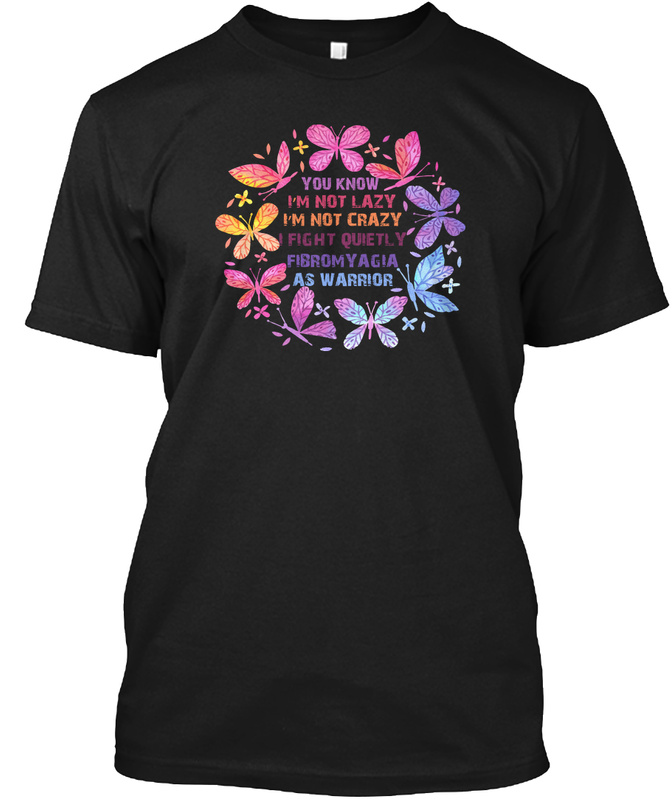
For More Information Related to Fibromyalgia Visit below sites:
References:
Join Our Whatsapp Fibromyalgia Community
Click here to Join Our Whatsapp Community
Official Fibromyalgia Blogs
Click here to Get the latest Fibromyalgia Updates
Fibromyalgia Stores
Comments
Post a Comment